The name and the place before the town
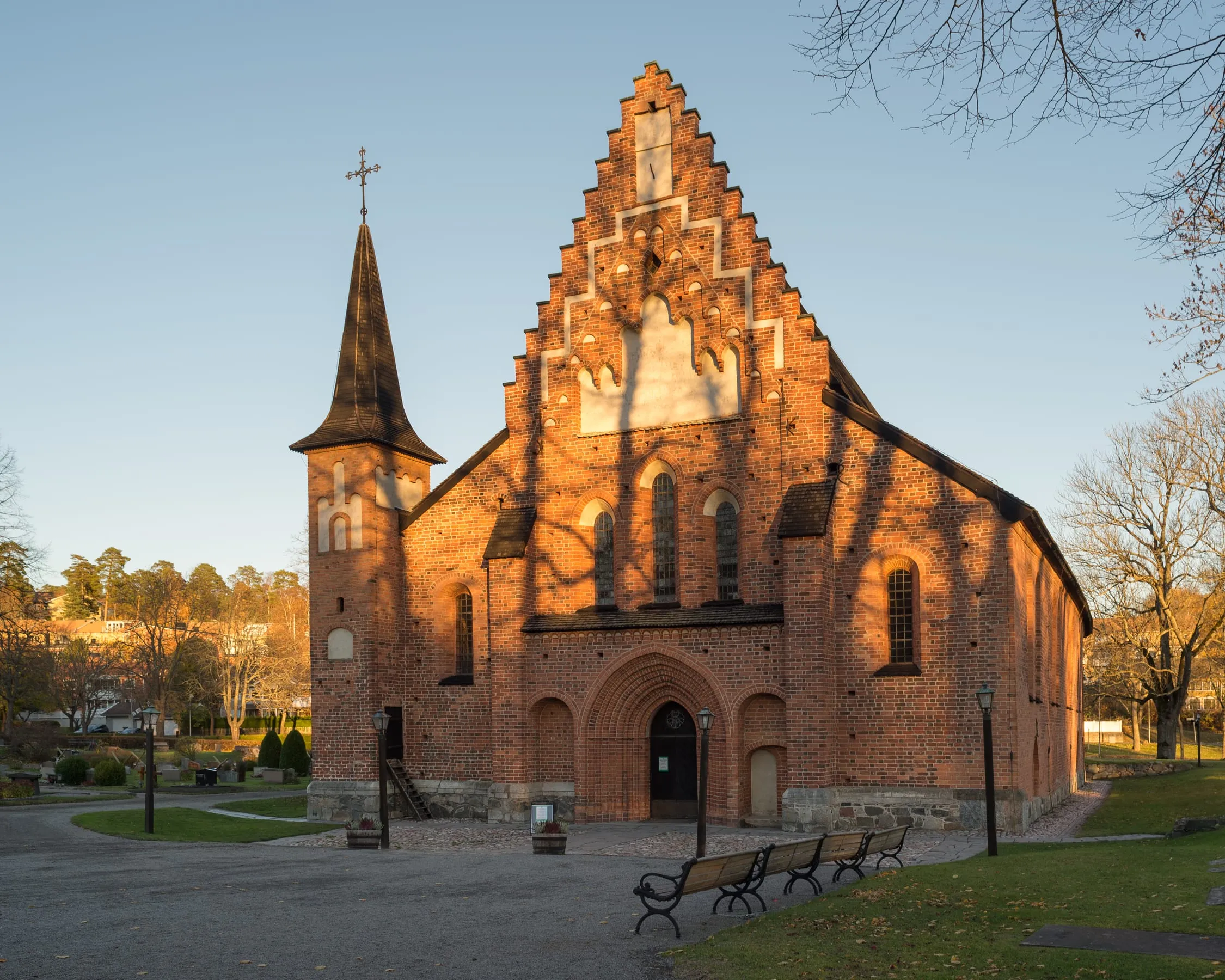
The name Sigtuna is older than the town. It probably belonged first to Fornsigtuna, a royal estate at Håtuna a few kilometres to the west, and moved with the founding of the new town. The most common reading is sik or sig, marshland, and tuna, a central and perhaps fortified place. On an 11th-century rune stone, now in the museum, the town's name is written Sihtunum.
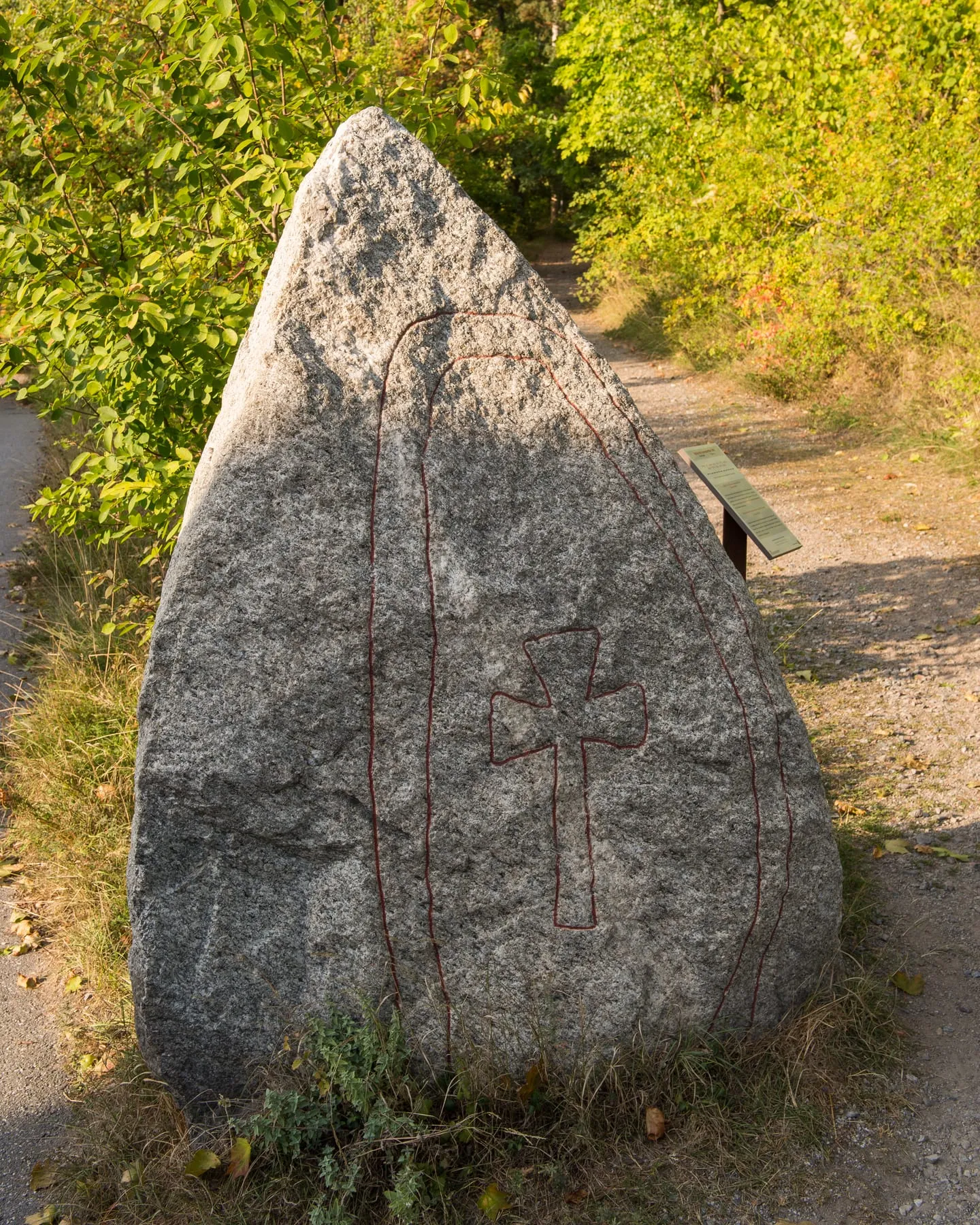
The land around Sigtuna was settled long before. Some 630 ancient monuments are known here: scattered Bronze Age graves, 25 Iron Age cemeteries, a hill fort on Trollberget and 35 rune stones, most of them inside the town area. Two of the stones tell of Frisian guilds in the town, traders from today's Netherlands and northern Germany who had their own association here.
A planned town, around 980
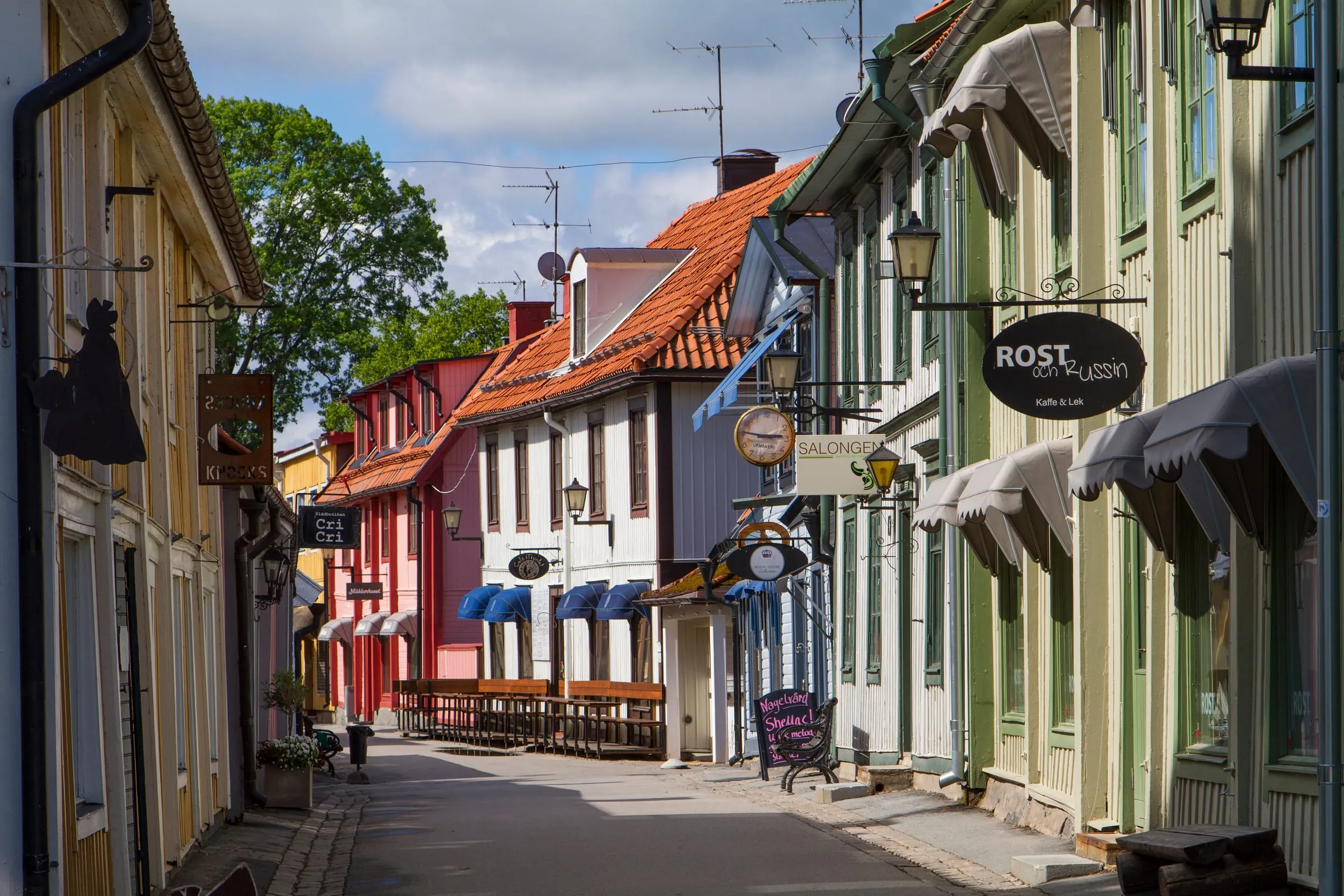
Sigtuna was founded on its present site around 980, in the late 970s by the archaeological dating, and tradition names Erik the Victorious as founder. It was something new. The town was built to a regular plan from the start: a straight street was laid along the then shoreline of Lake Mälaren, roughly where Stora gatan runs today, and on both sides plots were marked out about eight metres wide and thirty long, with the short side to the street. The cross lanes down to the water began as jetties. In the middle lay the royal estate, on the plot where Sigtuna museum now stands.
Why here is debated. Birka on the island of Björkö, the trading place of the Mälaren valley for two hundred years, was abandoned at about the same time. One explanation is that larger ships could no longer be hauled over land at Tälje, today's Södertälje, which spoiled Birka's position. Another is that the crown wanted a base of its own, and a third that the Christian mission sought a counterweight to the pagan temple at Old Uppsala. Probably all three are right. Sigtuna was the king's town and Christian from the start, and trade grew with it.
The first coins, around 995
Erik's son Olof Skötkonung became king around 995 and the same year had coins struck in Sigtuna, the first in Sweden. The moneyers were brought from England, and the coins copied the pennies of Æthelred II with Olof's own name and title. Minting continued under Olof's son Anund Jakob into the 1030s. In that time a couple of million silver coins were struck. Olof was also the first Swedish king to be baptised and remain Christian. The mint house was excavated in 1990 and 1991, and the site is marked in the block by Stora gatan.
Bishops and stone churches
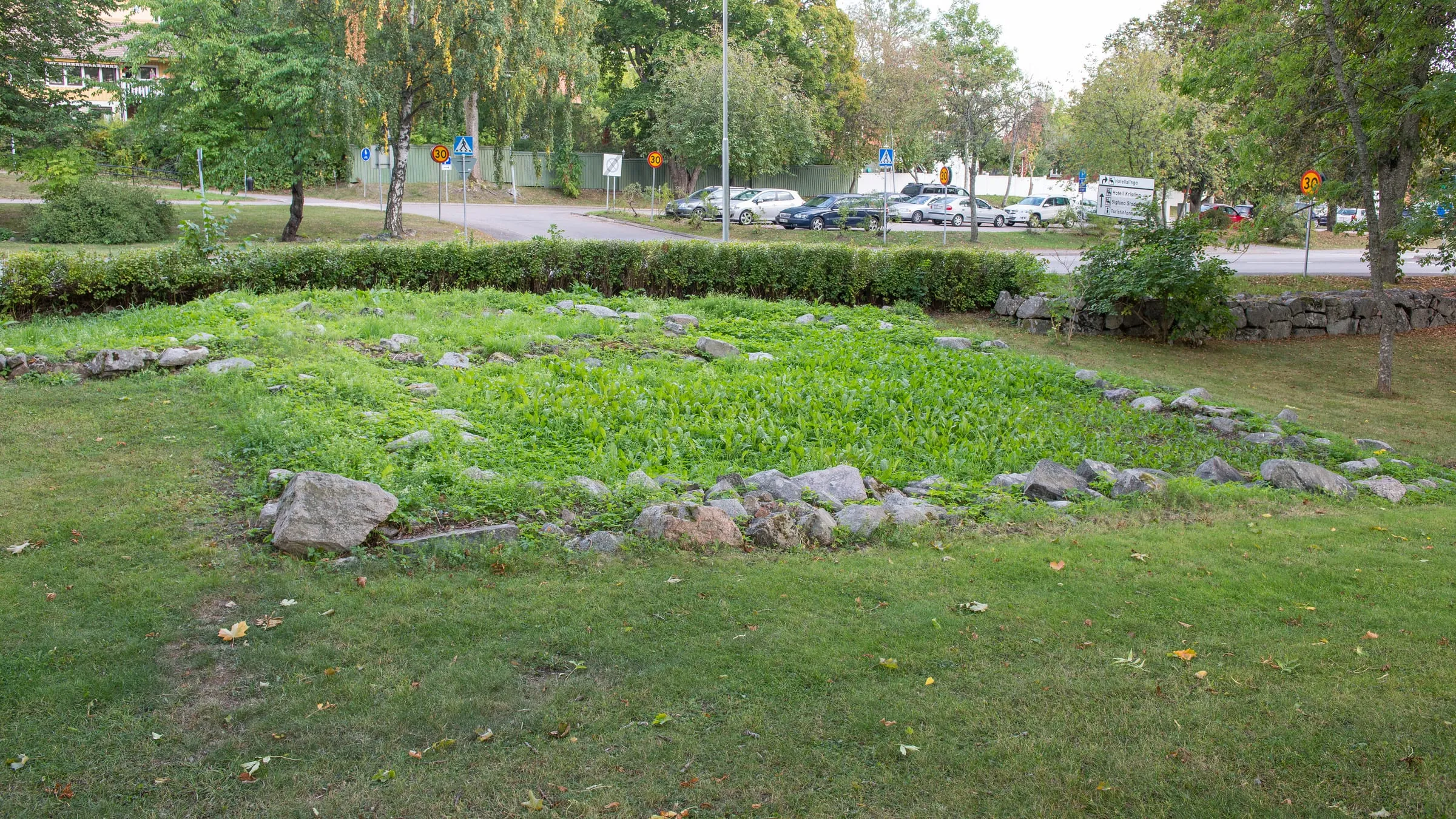
Around 1060 Sigtuna received the first bishop's seat in Svealand, with Adalvard the Younger as bishop. On the royal estate, at the end of the 11th century, the first stone church in the Mälaren area was built, the bishop's church, demolished in the high Middle Ages but with its foundations still in the ground by the museum. Adam of Bremen, writing his church history around 1070, calls Sigtuna civitas magna, a great city. The town appears in several Norse skaldic poems and had visitors from all over northern Europe. In 1130 the bishop's seat moved to Old Uppsala, which in 1164 became the seat of the archbishop.
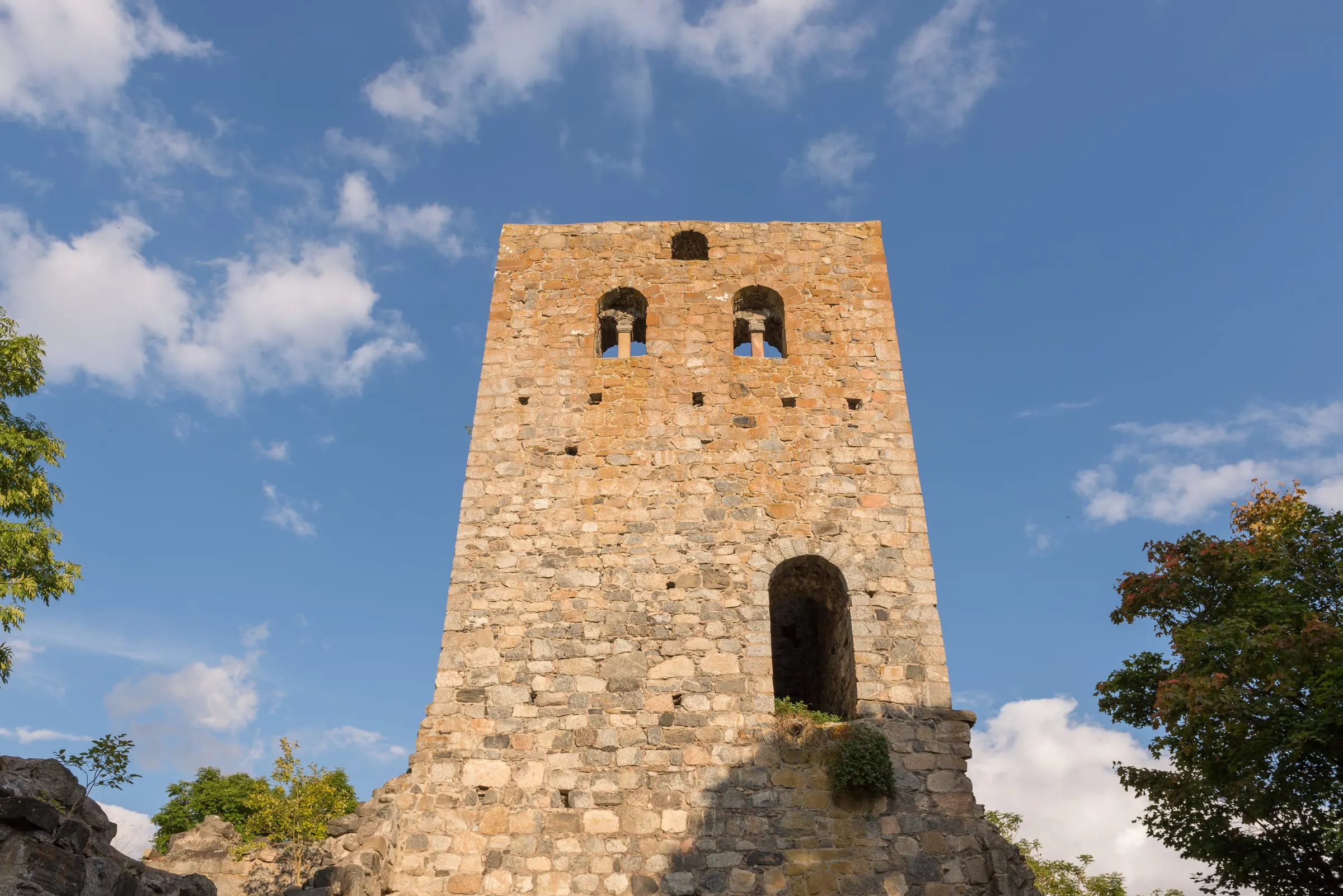
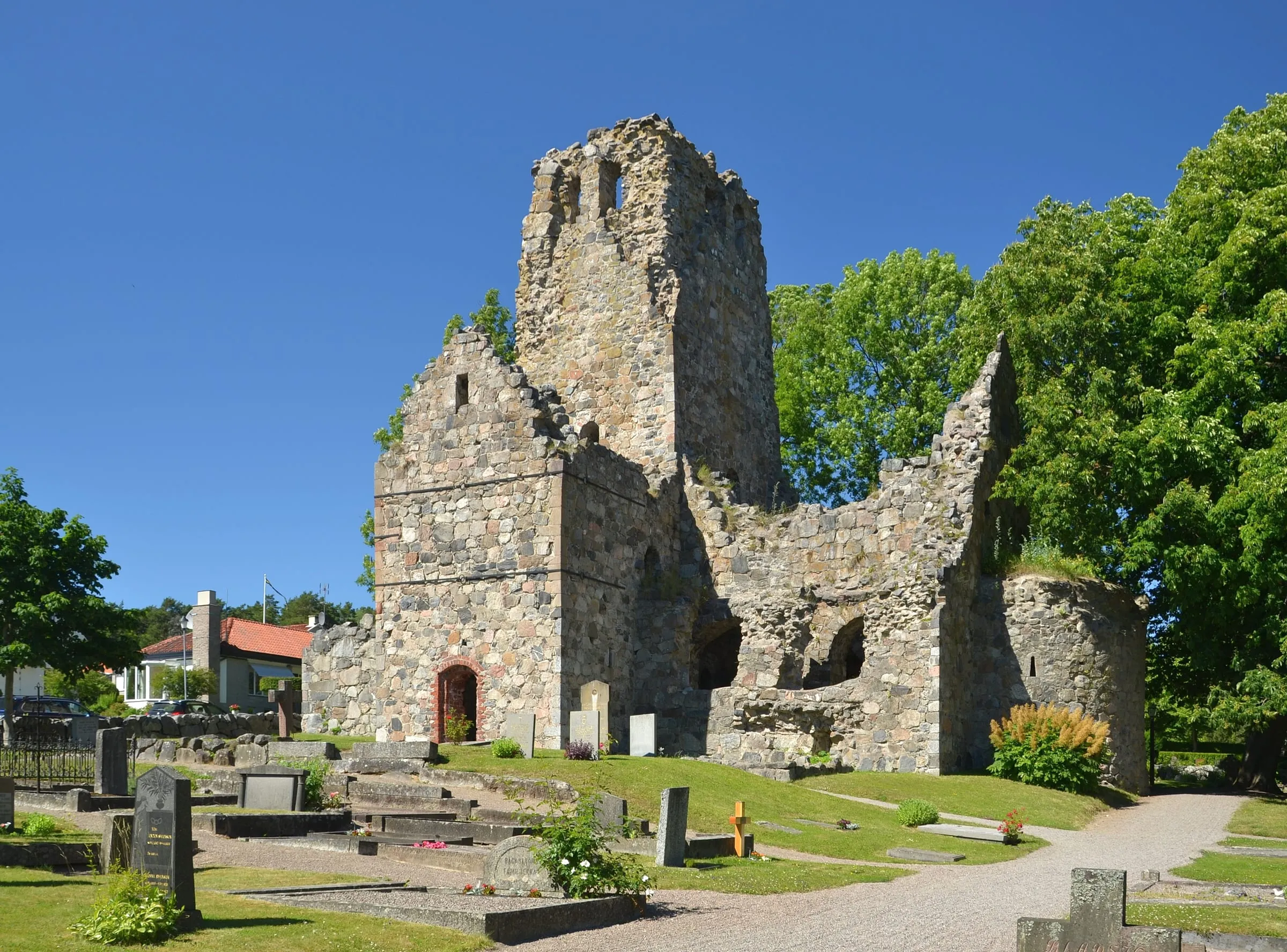
In the early Middle Ages Sigtuna built no fewer than six or seven more stone churches, all except the cathedral along a new street outside the old settlement, today's Prästgatan. St Peter, probably the cathedral before the move to Uppsala, St Olof and St Lawrence survive as ruins. Of the others nothing shows above ground. So many churches in a town of a few thousand people says something about how much power and money gathered here.
1187 and the Dominicans
In 1187 Sigtuna was burned in an attack from across the Baltic. The contemporary sources say only pagans from the east. The Erik Chronicle, written around 1320, names Karelians from Novgorod. Archaeology has not confirmed any major destruction, and life in the town went on. Fifty years later the Dominicans arrived: in 1237 they founded a friary in honour of the Virgin Mary and built St Mary's in brick, finished around 1250. It was the first brick in the Mälaren valley, and the church is today Sweden's oldest brick church and its only surviving Dominican church. The friary produced several of medieval Sweden's archbishops.
Stockholm takes over
The decline came not from fire but from geology and competition. Post-glacial uplift turned Lake Mälaren into a freshwater lake during the 13th century, and at its outlet, where Stockholm was founded around 1250, all goods had to be reloaded. By the end of the century Stockholm and the newly founded Uppsala had taken over trade and power. Sigtuna's first known seal dates from 1311, and today's coat of arms with its crown comes from it. When Gustav Vasa dissolved the friary during the Reformation and seized its property, the decline began in earnest. He also had stone from the decaying churches used for Svartsjö Palace. His son John III later ordered the ruins preserved.
The sleeping town
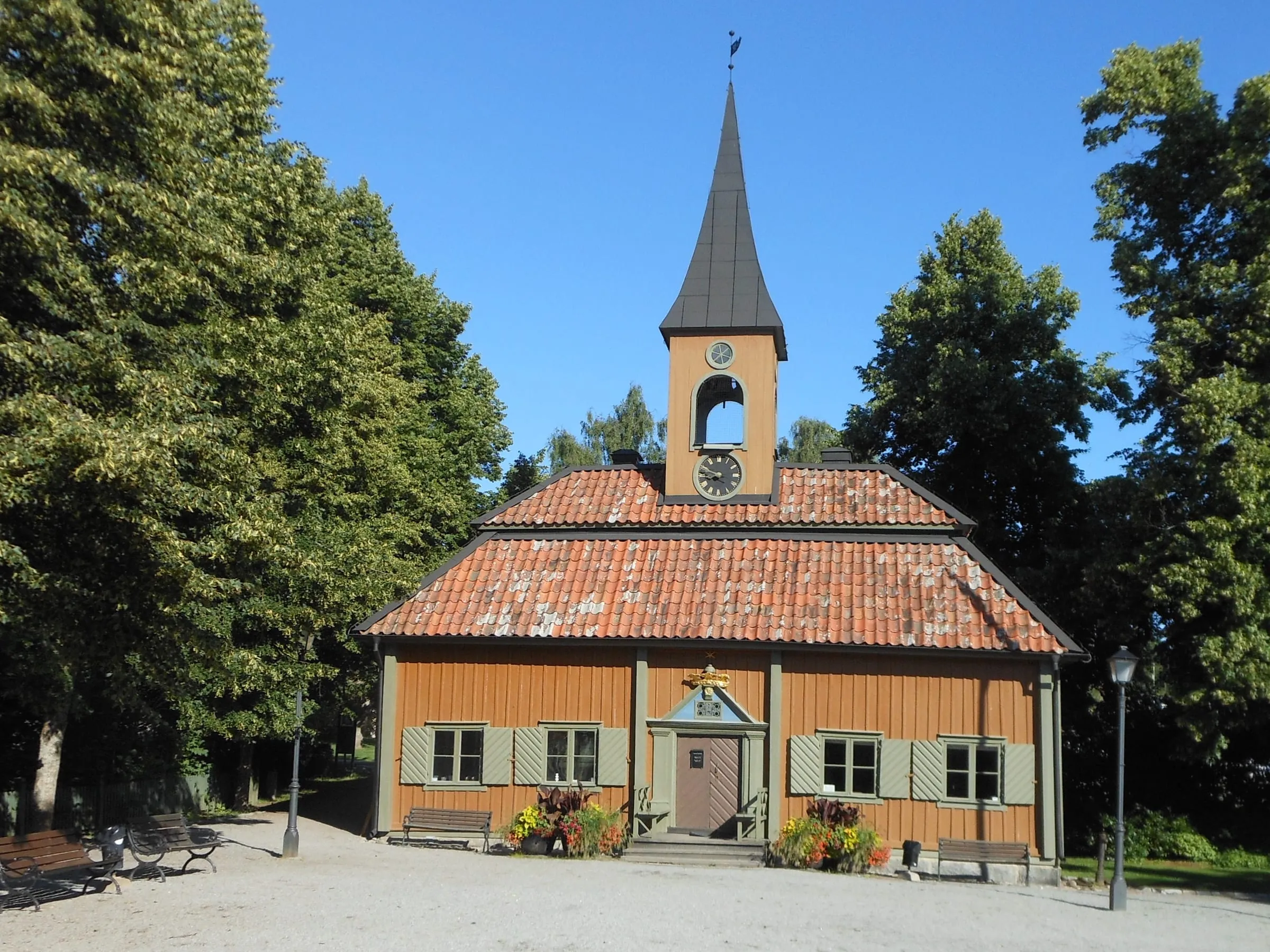
Three town fires between 1648 and 1666 completed the collapse. In 1700 Sigtuna had 108 inhabitants, mostly farmers and fishermen. The town kept its charter and in 1744 got a new town hall on the main square, Sweden's smallest, built on the initiative of the mayor, Eric Kyhlman. But in 1800 there were 380 people here, and the poet Vitalis called Sigtuna the sleeping town, to which no road led. As long as nothing happened, the 10th-century street grid and the 18th and 19th-century wooden houses were preserved, and that is why the town looks as it does. In the late 19th century Sigtuna, with about 600 inhabitants, was the smallest town in Sweden.
The awakening
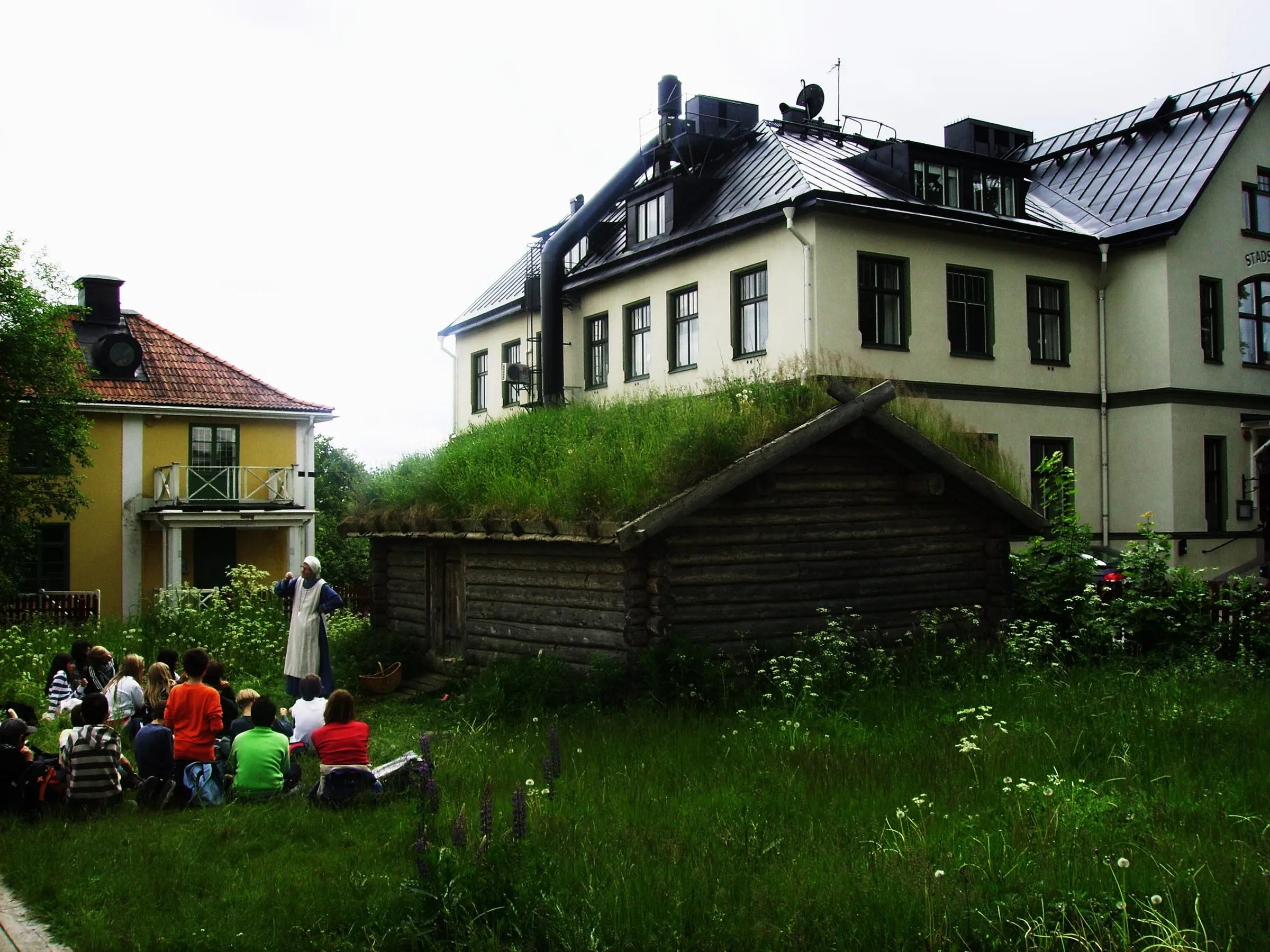
It was the church and the school that woke Sigtuna. Manfred Björkquist founded the Sigtuna Foundation in 1915 as a centre for the Young Church movement. The guest house and folk high school on the hill above the town, designed by John Åkerlund, were inaugurated on 31 October 1917, the four-hundredth anniversary of the Reformation. The Olaus Petri chapel followed the next year, the Foundation's grammar school in 1926, and in 1980 it merged with the Sigtuna School into the boarding school SSHL. Meanwhile, in 1916, the Sigtuna Fornhem foundation was formed on the initiative of the historian Olof Palme and his wife Ola. The museum opened in 1923 in a red 18th-century house on the royal estate plot and became municipal in 1968.
Since 1985 the museum has led a series of large excavations in the medieval cultural layers, the black earth, which are three metres thick or more. The investigations of 1988 to 2006 have produced one of the country's largest collections of archaeological finds and shown how the first town was planned and how the houses were built. That is why the archaeologists are called every time someone digs for a pipe.
Today
In the municipal reform of 1971 the town of Sigtuna became part of Sigtuna Municipality, with Märsta as its centre. The car, the commuter train and Arlanda airport, inside the municipality, made it possible to live here and work anywhere in northern Greater Stockholm or Uppsala, and the town has grown to around 10,000 inhabitants. It lives on visitors, commuters, and people who chose it because it looks the way it does: a street from the 970s, three church ruins, a town hall from 1744, and Lake Mälaren outside the door.
Sources
- Sigtuna, Wikipedia (Swedish)Etymology, prehistory, foundation, medieval development, decline and the 20th century, with further references.
- Sigtuna, Wikipedia (English)The 1187 attack, the 1311 seal, population.
- Minting in Sigtuna 995 to 1030, Wikipedia (Swedish)
- The first Swedish coins, Ekonomiska museetThe moneyers from England and the English models.
- Sten Tesch, Kungen, Kristus och Sigtuna (2007)The town plan, the dating to the 970s and the royal estate, by the leader of the excavations.
- Sigtuna, a Powerful Political and Cultural Centre in Sweden c. 980 to 1200, Medieval HistoriesThe tree-ring date of 981 for the oldest buildings.
- Sigtuna Museum & Art, Sigtuna MunicipalityThe exhibitions, the excavations and the historic sites.
- Sigtuna museum, Wikipedia (Swedish)Sigtuna Fornhem 1916, the museum 1923, the excavations since 1985.
- The Sigtuna Foundation, Wikipedia (Swedish)The founding in 1915, the inauguration in 1917, the schools.
- St Mary's church, Wikipedia (Swedish)
- The story of Sigtuna, Destination Sigtuna
Updated 2026-09-22